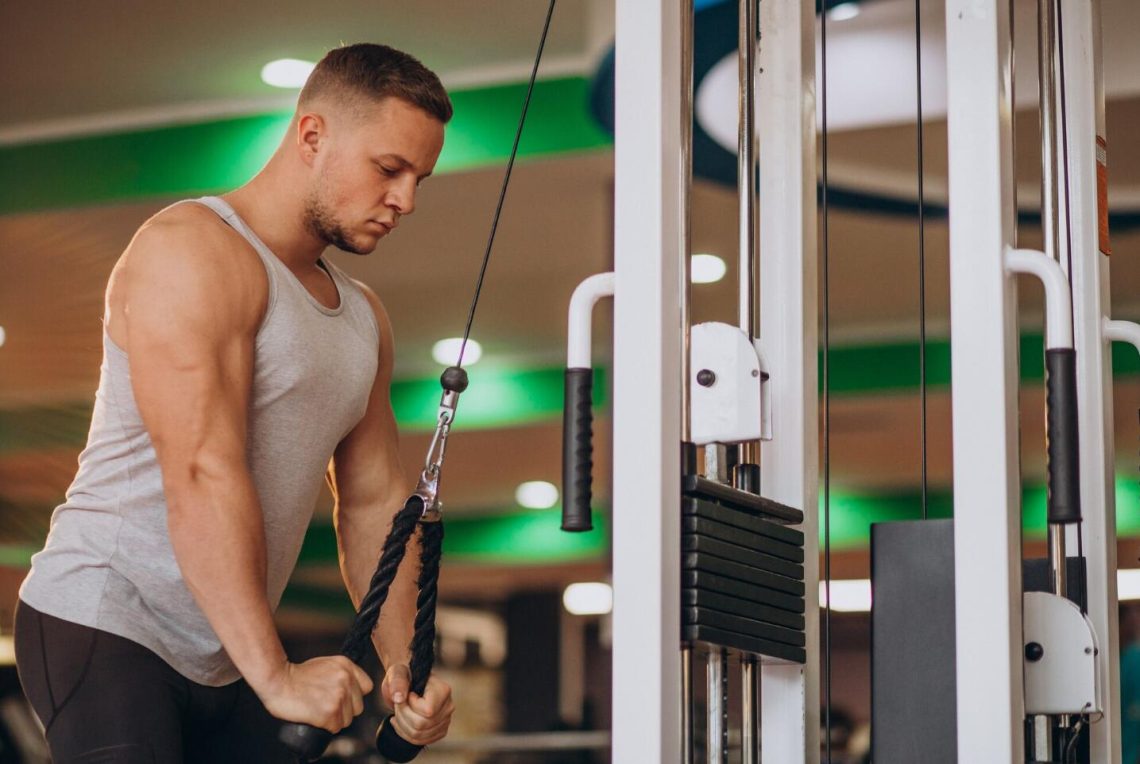
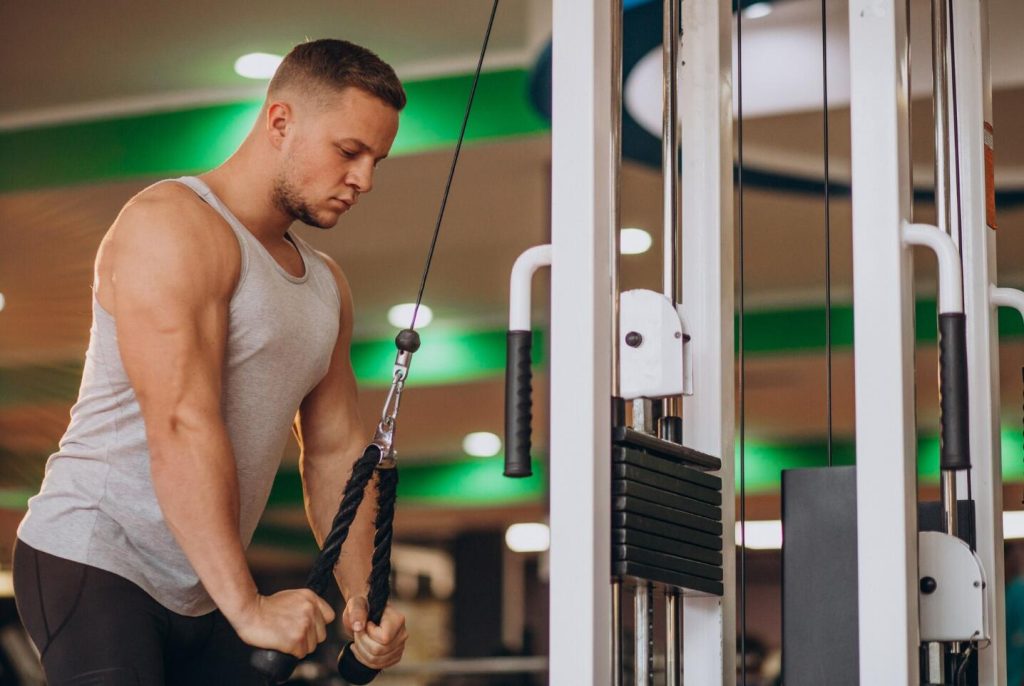
If you’re looking to build a stronger, more defined core, cable crunches are worth adding to your routine. They specifically target the rectus abdominis—the muscle group responsible for that six-pack look—but they also do a lot more than that. Unlike traditional floor crunches, this exercise uses a cable machine to keep tension on your abs throughout the entire movement, which makes it incredibly effective for building both strength and stability.
Not sure where to start? Don’t worry. Here’s everything you need to know—from setup to form to the different ways you can mix it up.
How to Perform a Cable Crunch Properly
Step 1: Set Up the Machine
Start by attaching a rope handle to the high pulley on a cable machine. Choose a weight that feels challenging but still lets you move with control. If you’re new to this exercise, err on the lighter side until you get the form down.
Step 2: Get Into Position
Kneel down facing the machine, and grab the rope with both hands. Bring it behind your head so it rests near the back of your neck. Your knees should be slightly bent, and your hips should stay still throughout the movement—this is your starting point.
Step 3: Perform the Crunch
Engage your core and exhale as you crunch your torso forward, bringing your elbows toward your thighs. The key here is to let your abs do the work—not your arms or hips. Think of it as curling your spine forward, not just pulling the rope down.
Step 4: Return Slowly
Reverse the motion with control. Don’t just let the weight yank you back up. Slow and steady wins this race—it keeps the tension on your muscles and reduces the risk of injury.
Step 5: Repeat
Aim for your target number of reps, keeping each one smooth and controlled. Rushing through them usually means you’re using momentum, not muscle.
Tips for Nailing Your Form
- Let your arms be guides, not engines. They’re just holding the rope.
- Keep your upper body stable. The movement should come from your torso, not your hips.
- Avoid overarching your lower back. That’s a fast track to pain, not gain.
Why Should You Add Cable Crunches to Your Workout?
Better Core Strength and Stability
A strong core isn’t just about looking good. It’s the foundation for almost every other lift you do—squats, deadlifts, overhead presses. Cable crunches help build that base by forcing your abs to work through a full range of motion under tension.
More Range of Motion Than Floor Crunches
Regular crunches only let you move so far. With a cable machine, you get a longer stretch and contraction, which means more muscle fiber recruitment and better growth potential.
Posture Support
This move doesn’t just work your front abs. It also engages your lower back and glutes to keep everything balanced, which can translate to better posture and less back pain over time.
Are There Any Risks?
Cable crunches are generally safe, but they’re not risk-free. The most common issues come from:
- Going too heavy and losing control
- Arching your back excessively
- Using your hips to swing the weight instead of your abs
Stick to a weight that lets you keep clean form, and you’ll be fine.
Who Should (and Shouldn’t) Do Cable Crunches?
Great for:
- Bodybuilders – This move isolates the abs nicely, making it a solid choice for adding definition.
- Strength athletes – A strong core supports heavier squats, deadlifts, and presses.
- Recreational athletes – Even if you’re not competing, core strength helps with nearly everything—from running to picking up your kids.
Proceed with caution if:
You have existing back or hip issues. Check with a doctor or physical therapist before trying this move. Even then, start extra light and pay close attention to how your body responds.
Ways to Switch It Up
Standing Cable Crunch
Stand instead of kneeling. This version challenges your balance and forces your core to work overtime just to keep you steady.
Tempo Cable Crunch
Slow the movement way down. Pause and squeeze at the bottom for two or three seconds before slowly returning to start. More time under tension equals more muscle activation.
Resistance Band Variation
No cable machine at home? No problem. Attach a resistance band overhead, kneel down, and mimic the same crunching motion. It’s not exactly the same, but it’s a solid substitute.
